Spring can be your last window to inspect, service and prepare portable air compressors for peak construction season.
Portable air compressors are among the hardest working assets on any construction site. When one goes down mid-season, the impact is immediate. Crews can sit idle, deadlines can slip and extra costs can add up fast. The difference between a unit that runs reliably all summer and one that breaks down in the field can come down to spring maintenance.
That is what makes spring maintenance so valuable. Since many machines haven’t hit the job site yet, you can service units without disrupting active jobs. This early timing means suppliers are not backed up, ensuring a faster turnaround on parts and repairs. Plus, the mild weather makes it easy to complete this work comfortably outdoors.
“Once the peak construction season hits, there is no good time to pull a compressor out of service,” said Ron Pikulik, director of sales at ELGi. “The best time to find a problem is when you still have the flexibility to fix it.”
What to watch for this time of year?
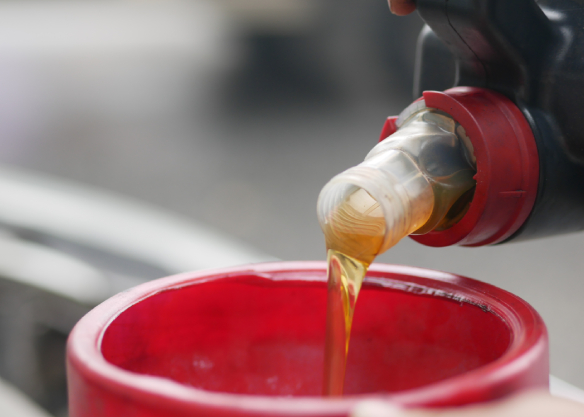
Spring brings two kinds of issues for portable compressors. Winter’s cold temperatures may have caused oil to thicken, which reduces lubrication. This means compressor startups are tougher, and any bearings or moving parts could be strained. Drain valves, filters and other components may be cracked from freezing.
As for spring, debris like pollen, cottonwood fluff, dust, and insects can quickly build up on air compressor coolers. This buildup blocks airflow, causing the unit to run much hotter than it should. Additionally, seasonal temperature changes force plastic tubing, fittings, and hoses to expand and contract, creating hairline cracks that eventually turn into leaks.
“We see it every year. A unit sat all winter with no visible issues, and then on the first full-load day it overheats or throws a fault,” Pikulik added.
Essential spring maintenance checklist
To get your units fully prepped for the construction season workload, here is where to focus:
- Audit service intervals and usage data: Check where each unit stands on 500-hour, 1,000-hour and 2,000-hour milestones. Review your telematics system to see if any performance issues or error codes were logged over winter. For rental fleets, look at the total operating hours on every returning unit so you can flag the ones that were heavily used and are due for service.
- Service fluids and cooling components: Check oil level and condition and complete any overdue oil changes from winter. Additionally, clear pollen, dust and airborne debris from coolers to ensure they can properly pull heat out of the compressed air.
- Test safety and control systems: Verify that all safety relief valves open and close properly. For rental units, expand this to include testing automatic shutdown systems, warning lights and control panel functions.
- Test and charge batteries: Ensure batteries haven’t dropped voltage during cold storage and clean any corrosion off the terminals.
- Secure hardware and inspect towing components: Retighten all bolts, screws and pipe connections that may have loosened from winter vibration or temperature changes. Check tire pressure, as cold weather lowers PSI and makes sitting units unsafe to tow. Before putting the unit on the road, test trailer lights, brakes and safety chains.
- Prepare parts and documentation: Stock up replacement parts like filters, compressor oil and belts. For rental fleets, ensure every outgoing unit includes an operator’s manual and a up-to-date maintenance record.
Tackling this checklist ensures your portable compressors are ready. But your internal staff shouldn't have to carry the load alone. At ELGi, we view ourselves as a dedicated extension of your maintenance team. By pairing your daily routines with ELGi's industry-leading reliability, rapid parts availability and expert technical support, you can eliminate unexpected downtime and maximize your operational efficiency.
"We know how demanding the busy season can be. That’s why we’re here,” said Pikulik. “When you partner with us, you know your equipment will perform flawlessly even when it's working its hardest."
We are here to ensure that when your equipment is pushed hard during the busy season, it performs flawlessly.
Contact us today for a maintenance consultation.


 4 min read