

Working Principle of rotary screw compressors
 By ELGi |
  6 min read | 2 May, 2025
Rotary screw air compressors are essential machines used in many industrial applications across Europe, including manufacturing, automotive, food & beverage, and more. These compressors provide a continuous flow of compressed air with high reliability and efficiency. Understanding the working principle of rotary screw compressors is crucial to appreciating their role in various industries. In this blog, we will explore how a rotary screw air compressor works, its key components, and why ELGi’s range of rotary screw compressors is the preferred choice for businesses.
What is a Rotary Screw Air Compressor?
A rotary screw air compressor is a type of positive displacement compressor. It uses two helical rotors (screws) that rotate in opposite directions to compress air. These compressors are known for their ability to deliver a consistent stream of compressed air at various pressure levels, making them ideal for a wide range of applications. ELGi’s screw air compressors are designed for both oil-lubricated and oil-free applications, catering to diverse industrial needs.
The Working Principle of Rotary Screw Compressors Explained
The working principle of rotary screw compressors is based on a simple but efficient mechanical process. Here’s how it works:
Air Intake: Atmospheric air enters the compressor through an air filter. The filter removes dust and contaminants, ensuring only clean air enters the system.
Compression Process: Inside the compressor, two meshing rotors—one male and one female, trap the incoming air between their helical grooves. As the rotors turn, the trapped air is compressed, and its volume decreases while the pressure increases. During compression, the air can heat up. In oil-injected screw air compressors, oil is used to cool, seal, and lubricate the system. For oil-free compressors, other cooling methods are employed to maintain optimal temperature during the compression process.
Cooling: After the compression process, hot compressed air is separated from the oil (for oil-lubricated compressors) and then it is cooled using either ambient air or water.
Air Discharge: Once compressed to the desired pressure, the air is released through a discharge valve. The compressed air is then stored in an air receiver or directly used in industrial applications.
ELGi’s rotary screw air compressors use this efficient process to deliver reliable, energy-efficient compressed air, perfect for businesses that require continuous and dependable air supply.
Types of Rotary Screw Compressors
Rotary screw compressors come in two main types: oil-injected (or oil-lubricated) and oil-free.
Oil-Injected Rotary Screw Compressors
Oil-injected compressors, such as ELGi’s EG Series, use oil to lubricate, seal, and cool the compression process. These screw air compressors are highly efficient and suitable for industries like manufacturing, automotive, and metalworking, where the presence of oil residues in the system is acceptable.
Oil-Free Rotary Screw Compressors
ELGi’s oil-free rotary screw air compressors provide Class 0 oil-free compressed air, making them ideal for sensitive industries like pharmaceuticals, food & beverage, and electronics. In these applications, any risk of oil contamination must be avoided, and ELGi’s compressors ensure the highest purity standards.
Key Components of Rotary Screw Compressors
Several components work together to ensure the efficient functioning of a screw type air compressor:
Rotors: The male and female rotors are the heart of the compressor. Their helical design compresses the air by reducing its volume as it moves along the screw elements.
Air Filter: Ensures that only clean air enters the system, preventing damage to the internal components.
Cooling System: Whether using air or water, the cooling system ensures that the compressed air is discharged at the correct temperature.
Discharge Valve: This valve releases the compressed air from the compressor into an air receiver or directly into the application system.
Advantages of Using Rotary Screw Air Compressors
There are numerous benefits to using a rotary screw air compressor, especially for industries that require a constant and reliable source of compressed air:
Continuous Operation: Unlike reciprocating compressors, screw type air compressors can run continuously without the need for cooling cycles, ensuring uninterrupted airflow.
Energy Efficiency: ELGi’s rotary screw compressors are designed to be energy-efficient, helping businesses reduce energy consumption and lower operational costs.
Low Noise: Rotary screw compressors are known for operating quietly compared to other types of compressors, making them suitable for environments where noise reduction is essential.
Low Maintenance: Screw air compressors have fewer moving parts than other compressor types, which reduces wear and tear and lowers maintenance costs.
Applications of Rotary Screw Compressors
The rotary screw air compressor is used in various industries due to its versatility, reliability, and efficiency. Let’s look at some common applications:
Manufacturing
Manufacturing plants rely on compressed air for powering pneumatic tools, conveyors, and other automated systems. ELGi’s range of rotary screw compressors provides a steady supply of air to ensure smooth operations.
Automotive
In the automotive industry, compressed air is used for painting, assembly lines, and powering pneumatic tools. ELGi’s reliable screw type air compressors help maintain efficiency across automotive production lines.
Pharmaceuticals
Pharmaceutical companies require oil-free compressors to ensure that their production processes are free from oil contamination. ELGi’s Class 0 rotary screw air compressors are the ideal solution for this industry, offering high air purity.
Food & Beverage
Food processing plants use compressed air for packaging, sealing, and even cleaning. ELGi’s oil-free compressors provide the clean compressed air needed to maintain the quality and safety of food products.
Why Choose ELGi Rotary Screw Compressors?
ELGi is a global leader in the production of rotary screw air compressors, offering solutions that combine reliability, energy efficiency, and durability. Whether you need an oil-injected compressor for industrial use or an oil-free compressor for sensitive applications, ELGi has the right product for you.
EG Series
ELGi’s EG Series offers powerful and efficient screw air compressors designed for heavy-duty use. With features like low maintenance, high energy efficiency, and long-lasting performance, these compressors are perfect for demanding industrial applications.
EN Series
For smaller applications, the EN Series provides compact yet reliable rotary screw compressors. These compressors are known for their ease of maintenance and small footprint, making them ideal for industries where space and efficiency are crucial.
Oil-Free Compressors
ELGi’s oil-free rotary screw air compressors provide the highest level of air purity, meeting Class 0 standards. These compressors are perfect for industries like pharmaceuticals and food processing, where air contamination must be avoided.
Conclusion
Understanding the working principle of rotary screw compressors helps highlight their importance in various industries. With continuous operation, energy efficiency, and low maintenance, rotary screw air compressors have become the go-to choice for businesses needing reliable compressed air. ELGi, with its wide range of products, offers the best solutions for all compressed air needs. Whether you require an oil-lubricated or oil-free system, ELGi’s screw air compressors deliver high performance, making them a valuable investment for any industry. Contact ELGi today!
Similar topics
The Right Air Compressor Setup for Workshops, Tools & Repair Stations
Ever had a workshop day where tools suddenly feel off? The impact wrench hits softer. Th...
8 min read 
Oil-Injected vs Oil-Free Screw Air Compressor – How to Choose for Industrial Loads
When a plant runs three shifts, compressed air quietly controls how smoothly production ...
8 min read 
5 Technical Parameters To Compare Between Leading Screw Compressor Manufacturers
Choosing the right screw air compressor can often feel like stepping into a candy store ...
8 min read 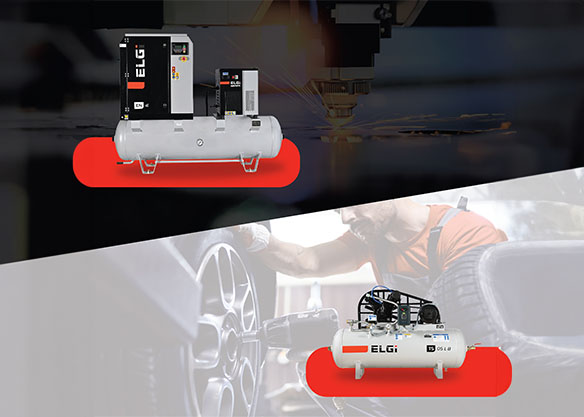
Screw Air Compressor vs Piston Compressor: Which Setup Fits Continuous Duty Cycles?
What happens when your production floor needs compressed air that never stops flowing? ...
7 min read 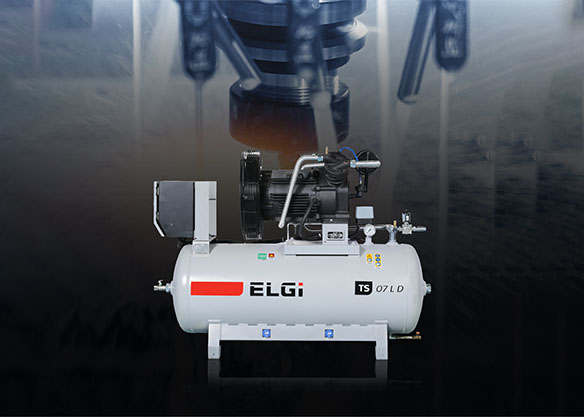
Reciprocating Compressors: Working Principles, Components & Use Cases
A practical guide to reciprocating compressors, explaining how they work, their key comp...
9 min read 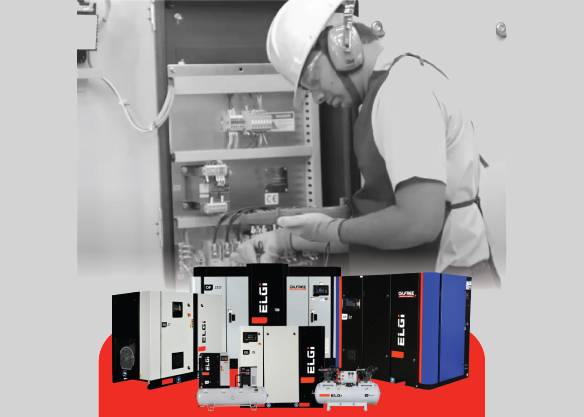
Air Compressor Troubleshooting: A Comprehensive Guide to Rapid Problem Resolution
In modern industrial operations, compressed air systems function as critical utilities t...
8 min read 
A Maintenance Manager’s Guide to Making the Right Compressor Decision
When one call sets your uptime, spend, and risk profile Every maintenance leader meet...
2 min read 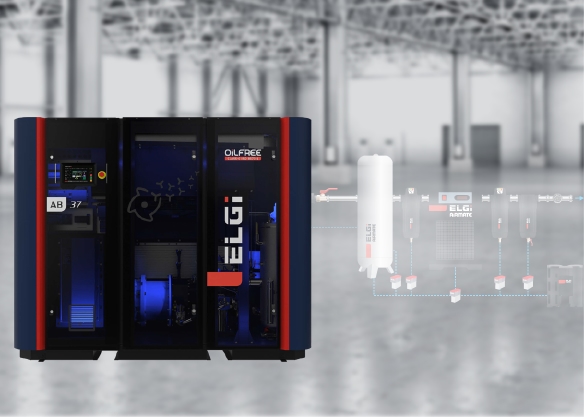
The Efficiency Paradox and Customer Expectations in Compressed Air: Not Only a “Pressure” Matter
About the whitepaper In many industrial facilities, increasing operating pressure is se...
3 min read 
Direct Expansion Refrigerated Dryers: Preventing Costly Downtime with Proven Moisture Control Technology
Maximising efficiency and reliability in compressed air applications by converting untre...
8 min read 
Exploring Water-Injected Screw Technology for Reliable Oil-Free Compressed Air
Oil-free compressed air is central to quality and safety across pharma, food, beverage, an...
2 min read