

The Right Air Compressor Setup for Workshops, Tools & Repair Stations
 By ELGi |
  8 min read | 17 April, 2026
Ever had a workshop day where tools suddenly feel off? The impact wrench hits softer. The spray gun loses its edge. Someone adjusts the regulator, someone blames the hose, and work slows down. Most times, it comes down to one thing: the compressed air supply struggles when your bays get busy. ELGi has seen this play out across workshops that expect their compressed air to stay steady under pressure.
A good air compressor setup stays out of your way. Tools deliver consistent torque. Spray patterns stay clean. Tyre bays keep moving. In European repair stations, that reliability depends on matching real tool demand, the right compressor type, and a layout that limits pressure loss.
This blog helps you choose an air compressor setup that fits your workshop, with practical steps you can use right away.
Start with the work: map tools, tasks, and peaks
Before selecting an air compressor, list your top compressed air users and how they run during a normal day.
- Continuous use of tools: DA sanders, blow-off stations, small vacuum generators, some pneumatic pumps
- High-burst tools: impact wrenches, rattle guns, tyre changers, bead blasters
- Quality-sensitive tools: paint spray, plasma cutting, support air, air bearings, clean benches
- Multiple technicians run tools throughout the day
- Pressure stability matters for repeatable tool performance
- You plan for growth in bays or equipment
- You run a mix of bursts and medium cycles
- Noise control and indoor placement matter
- You want a smooth flow without constant recovery gaps
- tyre bays and mechanical bays running side by side
- workshops that value stable pressure over short bursts
- operations that prefer predictable daily airflow
- You run several bays with frequent simultaneous tool use
- The workshop supports fleet servicing or production-style flow
- You want a platform that scales without constant changes
- Stable pressure reduces tool time per job
- Fewer pressure dips reduce rework on finish tasks
- A system that runs clean and cool reduces service interruptions
- The system matches demand closely
- Controls prevent waste during light load
- The layout reduces pressure loss and leakage
- Place the receiver with intent: A receiver helps absorb bursts and smooth demand. Positioning and sizing support stable pressure at busy periods.
- Use a ring main for multi-bay workshops: A looped header keeps pressure more even across bays. Drops stay consistent at the far end.
- Reduce pressure drop at every restriction point: Long hoses, tight elbows, undersized fittings, and clogged filters all eat pressure. That pushes the compressor harder and costs more over time.
Then mark your busiest overlap window. Many workshops feel “fine” until two bays run air at once, plus one spray task starts. That overlap drives the correct capacity.
Also, note your target pressure at the tool, then work backwards. A setup that supplies stable pressure at the farthest drop stays calm during peak jobs.
Choosing the compressor type that matches workshop reality
Not every workshop runs the same way. Tool mix, daily load, and peak-hour pressure demands all shape which compressor type delivers stable compressed air without slowing work or increasing strain.
When an oil-lubricated screw compressor fits best
An oil-lubricated screw compressor suits workshops that run compressed air through the day with repeat cycles and multiple bays. It delivers a steady flow and handles longer duty periods without the stop-start behaviour that frustrates technicians. For service centres scaling beyond basic tyre and air-gun use, an oil-lubricated screw compressor often becomes the stable base of the system.
Use an oil-lubricated screw compressor when:
Where an electric oil-injected compressor makes sense
An electric oil-injected compressor suits workshops that want consistent performance with simpler installation and daily usability. Many European workshops prefer electric setups for predictable operation and straightforward integration with indoor plant rooms.
An electric oil-injected compressor works well when:
Why a rotary screw air compressor electric setup keeps bays moving
A rotary screw air compressor electric system is built for steady delivery during active hours. That stability supports tool confidence: impacts hit the same, die grinders stop stalling, and air stays available when multiple bays overlap.
A rotary screw air compressor electric setup suits:
When an industrial oil-injected compressor becomes the upgrade point
An industrial oil-injected compressor fits larger repair operations, fleet workshops, or multi-zone facilities where compressed air demand stays high, and downtime costs stack quickly. It supports heavier workloads and longer active windows, especially where the system runs across several drops and tool types.
An industrial oil-injected compressor fits when:
The power band many workshops land in: 11–45 kW
For many professional repair stations, the sweet spot sits in the 11–45 kW screw compressor range. It covers workshops moving beyond “single bay plus a tank” and into multi-user, multi-tool airflow with stable pressure and better control.
A useful industry signal: rotary screw compressors are projected to hold a large share of the industrial compressor market in 2025 (38.6% by type in the market analysis). That aligns with real workshop behaviour: steady flow, repeatability, and smoother duty.
If you want a setup that supports growth, the 11–45 kW screw compressor band provides room for additional drops, improved drying, and enhanced control without requiring annual plant rebuilds.
Make “affordable” mean total cost, not sticker price
Many workshop owners search for an affordable oil-injected screw compressor and stop at the purchase price. A better approach looks at total cost across energy use, maintenance rhythm, and downtime risk.
Here is the simple logic:
Global demand trends also point to steady investment in compressor systems: one 2025 market outlook estimates the air compressor market value at USD 29.29 billion by the end of 2025. You see that play out locally as more workshops across Europe shift into screw technology and monitoring.
An affordable oil-injected screw compressor becomes truly affordable when:
Layout makes or breaks the result: air lines, receivers, and pressure drop
Even a strong air compressor feels weak with a poor layout. Good workshop setups focus on three layout rules:
Monitoring also matters. A 2025 market analysis on compressed air leak detection expects ultrasonic imaging cameras to lead with a 40.0% share in 2025. That tells you where the industry is going: visual leak finding and routine checks, instead of waiting for performance to fall.
Compressed Air quality: protect tools, paint, and people
Workshops often mix mechanical tasks with painting and finishing. That makes compressed air treatment a serious part of the setup.
Typical treatment stack:
- aftercooler or cooling stage
- moisture separation
- filtration for particulates and oil carryover
- dryer selection based on air quality needs
Better compressed air quality with a low oil carryover of ideally under 1ppm supports tool life and finish consistency. It also makes compressors run cleaner for longer.
Controls and efficiency: match output to real demand
Workshops rarely run flat-out all day. Demand rises during bay overlap and falls during admin time, parts waits, and tool gaps. Controls that adjust output to demand can cut waste and keep pressure stable.
A 2025 IEA survey of industrial firms found that around 80% of firms say energy efficiency is key to maintaining a competitive edge. For European workshops facing rising operating costs, that mindset fits compressed air perfectly: smart control reduces energy spend while keeping performance reliable.
ELGi Europe services and a solution built for 11–45 kW workshops
If your workshop is aiming for stable performance in the 11–45 kW screw compressor band, ELGi’s EQ Series focuses on reliability, compact footprint, and easier maintenance access, with options suited for fluctuating demand.
Support typically starts with sizing and layout guidance, then moves into:
- Matching compressed airflow to real bay usage
- Compressor room planning and ventilation checks
- Selection support for fixed speed or variable drive options based on demand patterns
- Maintenance planning that keeps service predictable and reduces interruptions
Built on decades of engineering experience, ELGi brings a proven legacy of delivering air compressor systems that workshops and service stations across Europe rely on for consistent performance and long-term use.
Practical setup checklist for European workshops
Use this to lock the plan before purchase:
- Tool demand map completed with peak overlap window
- Pressure targets set at the farthest bay
- Compressor type chosen: oil-lubricated screw compressor or electric oil-injected compressor based on duty and placement
- Distribution planned: ring main for multi-bay sites, clean drops, sensible hose lengths
- Air treatment matched to spray or precision needs
- Leak plan in place: routine inspection plus monitoring strategy
- Growth allowance built in, so expansion stays simple
This approach helps your air compressor stay reliable, keeps your rotary screw air compressor electric system steady, and makes an industrial oil-injected compressor upgrade feel planned rather than urgent.
When Your Workshop Is Ready for Consistent Compressed Air, This Is the Next Step
If you want a Europe-ready air compressor setup that stays stable across busy bays and future expansion, explore ELGi’s EQ Series 11–45 kW options and speak with our team today about sizing, layout, and service planning: EQ Series Screw Compressors
Similar topics
Oil-Injected vs Oil-Free Screw Air Compressor – How to Choose for Industrial Loads
When a plant runs three shifts, compressed air quietly controls how smoothly production ...
8 min read 
5 Technical Parameters To Compare Between Leading Screw Compressor Manufacturers
Choosing the right screw air compressor can often feel like stepping into a candy store ...
8 min read 
Screw Air Compressor vs Piston Compressor: Which Setup Fits Continuous Duty Cycles?
What happens when your production floor needs compressed air that never stops flowing? ...
7 min read 
Reciprocating Compressors: Working Principles, Components & Use Cases
A practical guide to reciprocating compressors, explaining how they work, their key comp...
9 min read 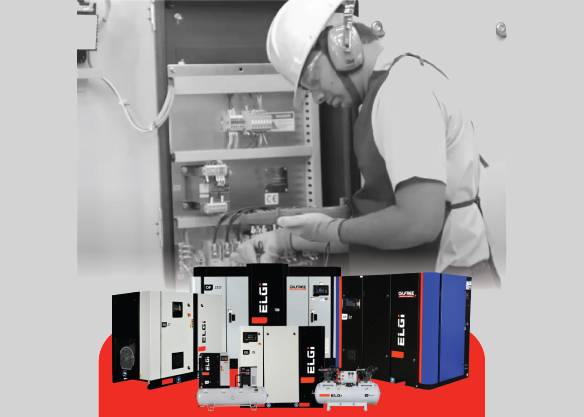
Air Compressor Troubleshooting: A Comprehensive Guide to Rapid Problem Resolution
In modern industrial operations, compressed air systems function as critical utilities t...
8 min read 
A Maintenance Manager’s Guide to Making the Right Compressor Decision
When one call sets your uptime, spend, and risk profile Every maintenance leader meet...
2 min read 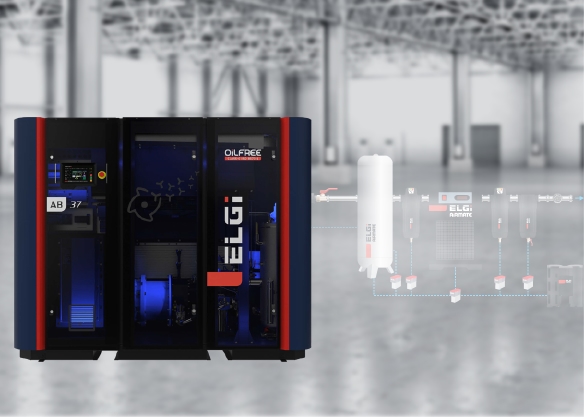
The Efficiency Paradox and Customer Expectations in Compressed Air: Not Only a “Pressure” Matter
About the whitepaper In many industrial facilities, increasing operating pressure is se...
3 min read 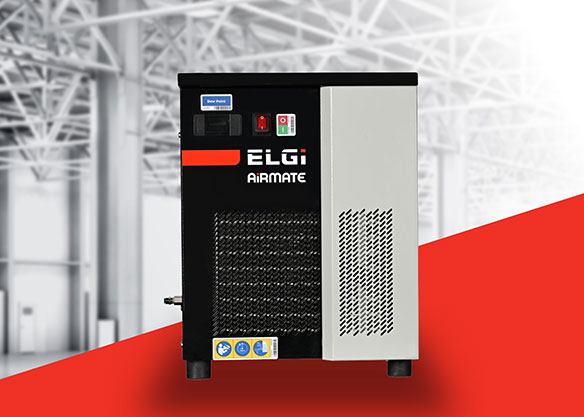
Direct Expansion Refrigerated Dryers: Preventing Costly Downtime with Proven Moisture Control Technology
Maximising efficiency and reliability in compressed air applications by converting untre...
8 min read 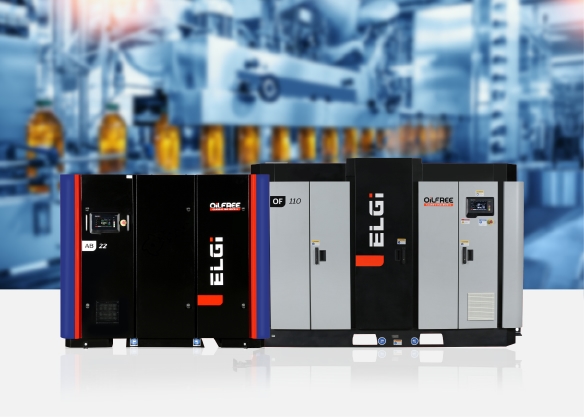
Exploring Water-Injected Screw Technology for Reliable Oil-Free Compressed Air
Oil-free compressed air is central to quality and safety across pharma, food, beverage, an...
2 min read 
Tips for Smooth Operation and Reduction of Operating Costs of Compressed Air Systems
About the Webinar Join ELGi’s compressed air experts as they share proven strategies to...
2 min read