

Energy-Efficient Solutions: Choosing the Right Air Compressor for Manufacturing
 By ELGi |
  6 min read | 19 May, 2025
In today’s times, where sustainability and energy efficiency are not just trending terms, but are of real importance for any company, these factors are acting as pillars for long-term success. This is more evident in air compressor manufacturing, where these principles are rigorously applied for a greener, more sustainable future. Using energy-efficient compressed air solutions largely impacts the company’s consciousness towards the environment and carbon footprint.
ELGi’s air compressor manufacturing provides energy-efficient solutions and understands the importance of having sustainable practices in the manufacturing industry. This blog focuses on building an understanding as to what makes air compressors energy-efficient, and sustainable, their benefits, and how to choose the right air compressor for your manufacturing needs.
Making the right choice of a reliable air compressor for your manufacturing facility is much more than just looking at the air compressor efficiency or the air compressor manufacturing. This blog will act as a guide providing businesses with insights to make informed decisions regarding their air compressor requirements.
Applications of Compressed Air in the Manufacturing Industry
Compressed air is used for a wide range of applications in the manufacturing industry due to its reliability, versatility, and efficiency. Its typical uses include-
Powering Pneumatic Tools
Compressed air powers a wide range of pneumatic tools like impact wrenches, drills, grinders, and sanders that are critical for tasks like assembly, machining, and fabrication.
Material Handling
Compressed air is used to operate pneumatic systems that position, sort, and transfer materials within manufacturing facilities. They operate conveyor belts, robotic arms, cylinders, and actuators that transport raw materials, components, and finished goods.
Pressurised Air Systems
Some manufacturing processes like blow moulding and injection moulding require pressurised air to create the force required to give the desired shape to materials. They are vital for producing plastic bottles and packaging materials.
Cleaning and Drying
Compressed air is used for removing dust, debris, and moisture from workpieces, machines, and production lines. It is used to remove contaminants and maintain cleanliness in critical processes.
Painting and Finishing
In automotive manufacturing spray guns and pneumatic paint sprayers are used for painting, coating, and finishing processes. Compressed air is used at high pressure to deliver uniform spray for a high-quality surface finish.
Control Systems
Compressed air is used to actuate valves, switches, and actuators that regulate the flow of liquids, gases, and materials in manufacturing processes.
Further, industrial air compressors find application in a wide range of manufacturing activities that require high-quality compressed air. It is integral to all types of manufacturing industries including metal fabrication, glass, silicone, clay, plastic, rubber, furniture, food and beverages, and general manufacturing.
Looking at the various applications of air compressors for manufacturing, it is clear that finding the right air compressor is very crucial for businesses looking for long-term success.
Why Choose Energy-Efficient Compressed Air Solutions?
As industries increasingly recognise their environmental footprint, manufacturing sectors are shifting towards greener, energy-efficient solutions. This trend extends to air compressor manufacturing, where there's a parallel focus on environmental awareness and energy efficiency.
However, energy efficiency in air compressor manufacturing doesn’t solely mean aiming for just the lowest energy consumption but also involves improving performance and minimising operational costs, while meeting global and local environmental regulation standards.
Cost Savings and Economic Benefits
Although energy efficient air compressors for manufacturing may have a higher initial cost as compared to conventional air compressors, a lower life-cycle cost, and lower operating expenses can provide significant cost savings over time. Energy efficient solutions can bring down the energy consumption by 30% thus helping companies become more financially stable and sustainable.
Compliance with Global and Local Energy Regulations
As energy efficiency gains importance on both global and local regulatory agendas, compliance becomes imperative for businesses. Energy-efficient air compressors for manufacturing can help meet these regulatory standards, mitigating the risk of potential penalties.
Technology Used Behind Energy-Efficient Compressor Solutions
Variable Speed Drive (VSD)
VSDs significantly reduce energy consumption by adjusting the motor speed to match the actual air demand, thus enhancing the energy efficiency of air compressors.
Cooling and Heat Recovery Systems
Advanced cooling systems require less energy to dissipate the heat generated during the compression process. On the other hand, heat recovery systems use the heat generated for other processes, thus enhancing overall energy efficiency.
Choosing the Right Air Compressor for Manufacturing
Now we know one of the main factors to consider while choosing an air compressor is its energy efficiency, but this is not enough. There are several other factors to consider while choosing the right air compressor for your manufacturing facility-
Compressed Air Quality
Determine whether the process requires class ‘0’ oil-free compressed air, or the process allows for oil in the compressed air. Opt for an ELGi oil-free compressor or an oil-lubricated compressor accordingly.
Air Demand and Usage Patterns
Determine the required airflow rate (in CFM) and pressure levels required for applications and processes. For example, some processes like blow moulding require higher pressure compressed air as compared to power pneumatic tools and systems.
Type of applications
Determine the type of application and the equipment that the air compressor has to power to carry out the process. As per the application, the compressor usage varies, hence determining the airflow rates required, pressure levels, and duty cycles.
Compressor Type
Based on the specific requirement determine the type of compressor required comparing its features. Common types of air compressors for manufacturing include reciprocating compressors, rotary screw air compressors, and centrifugal compressors each applicable to different processes.
Available Space and Installation
Choose an air compressor that meets the size and space requirements and installation needs such as ventilation, noise, and electrical connection considerations.
Maintenance Needs and Serviceability
Maintenance and serviceability are something businesses give the highest order of importance. Choose an air compressor that is low on maintenance and easy on serviceability to keep downtime low and ensure seamless operations.
Future Expansion Plans
Plan for future growth and changes in air demand as per future expansion. Opt for an air compressor that offers scalability, flexibility, and the ability to cater to future requirements without many modifications or upgrades.
Ranging from 2.2-450kW, ELGi's air compressor range for manufacturing with oil-flooded air compressors and oil-free rotary screw air compressors is specifically designed to meet the demand for various manufacturing applications ranging from light to heavy-duty processes. Always choose compressors that are easy to operate, and maintain with quick customer support, and are highly reliable, while being highly energy-efficient.
Ultimately, investing in the right air compressor is what balances energy efficiency with reliability, serviceability, and compliance. It helps manufacturing facilities enhance productivity, minimise operational costs, and achieve sustainable long-term success in today's competitive business trends.
Similar topics
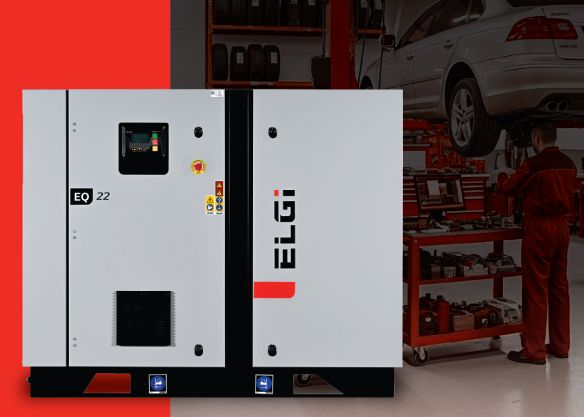
The Right Air Compressor Setup for Workshops, Tools & Repair Stations
Ever had a workshop day where tools suddenly feel off? The impact wrench hits softer. Th...
8 min read 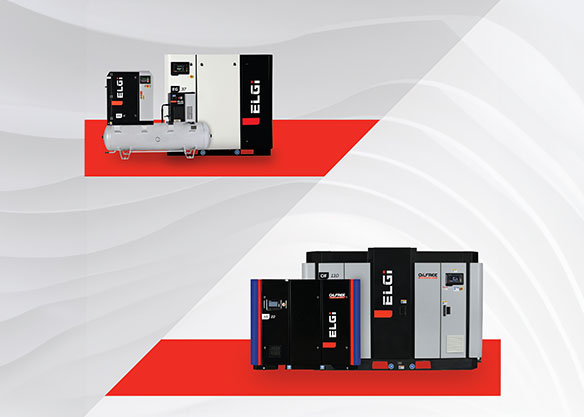
Oil-Injected vs Oil-Free Screw Air Compressor – How to Choose for Industrial Loads
When a plant runs three shifts, compressed air quietly controls how smoothly production ...
8 min read 
5 Technical Parameters To Compare Between Leading Screw Compressor Manufacturers
Choosing the right screw air compressor can often feel like stepping into a candy store ...
8 min read 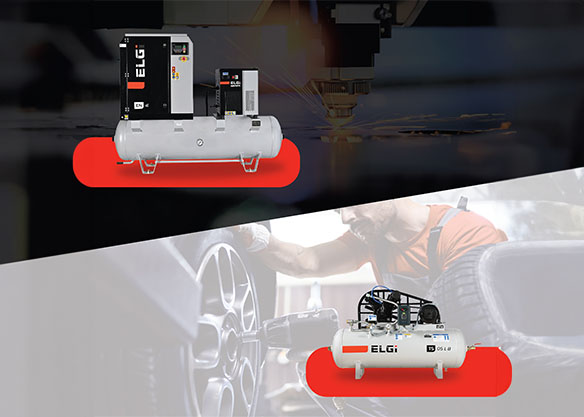
Screw Air Compressor vs Piston Compressor: Which Setup Fits Continuous Duty Cycles?
What happens when your production floor needs compressed air that never stops flowing? ...
7 min read 
Reciprocating Compressors: Working Principles, Components & Use Cases
A practical guide to reciprocating compressors, explaining how they work, their key comp...
9 min read 
Air Compressor Troubleshooting: A Comprehensive Guide to Rapid Problem Resolution
In modern industrial operations, compressed air systems function as critical utilities t...
8 min read 
A Maintenance Manager’s Guide to Making the Right Compressor Decision
When one call sets your uptime, spend, and risk profile Every maintenance leader meet...
2 min read 
The Efficiency Paradox and Customer Expectations in Compressed Air: Not Only a “Pressure” Matter
About the whitepaper In many industrial facilities, increasing operating pressure is se...
3 min read 
Direct Expansion Refrigerated Dryers: Preventing Costly Downtime with Proven Moisture Control Technology
Maximising efficiency and reliability in compressed air applications by converting untre...
8 min read 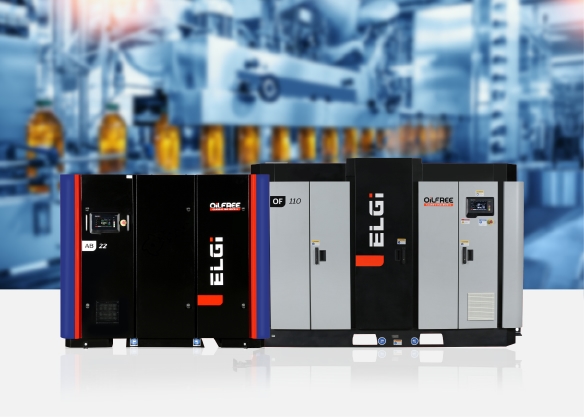
Exploring Water-Injected Screw Technology for Reliable Oil-Free Compressed Air
Oil-free compressed air is central to quality and safety across pharma, food, beverage, an...
2 min read