

Reciprocating Compressors: Working Principles, Components & Use Cases
 By ELGi |
  9 min read | 10 March, 2026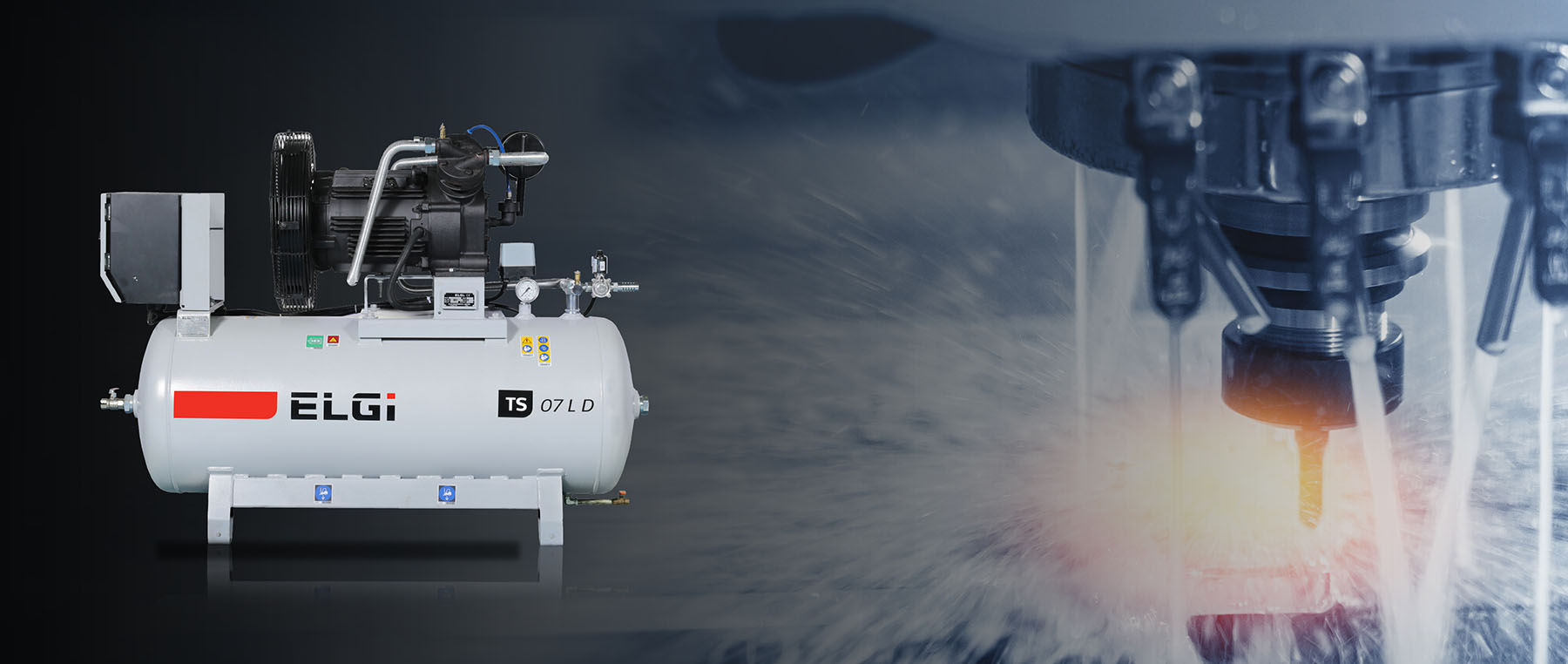
A practical guide to reciprocating compressors, explaining how they work, their key components, and real-world applications across European workshops and industries. Discover how low-noise, oil-lubricated, and piston air compressors enhance efficiency, reliability, and workplace comfort.
For small and medium-sized enterprises (SMEs) and industrial facilities across Europe, reciprocating compressors provide a reliable, energy-efficient, and easy-to-maintain solution for compressed air needs. These compressors, with their piston-based design, are ideal for applications requiring stable compressed airflow and minimal maintenance.
Modern direct drive reciprocating compressors operate at lower speeds, offering higher energy savings and quiet operation, making them suitable for compressor for workshops, woodworking shops, and metal workshops.
Selecting the right reciprocating compressor affects productivity, operational costs, and workplace comfort, making informed choices essential for small and medium-scale industrial operations.
What Are Reciprocating Compressors?
Reciprocating compressors, also called piston air compressors, compress air by moving a piston back and forth inside a cylinder. Most small and medium operations use oil-lubricated reciprocating compressors, where oil reduces friction, manages heat, and extends component life.
Modern direct drive designs remove belts and couplings, improving efficiency, reducing maintenance, and increasing compressed airflow by up to 7% compared to belt-driven units. These features make industrial air compressors and air compressors for small industries highly reliable and cost-effective.
Working Principles of Reciprocating Compressors
A reciprocating compressor generates compressed air through a controlled mechanical cycle that converts atmospheric air into high-pressure air suitable for industrial tools and processes. This process relies on the linear motion of a piston within a cylinder, driven by a motor through a crankshaft mechanism. Each stage of the cycle plays a specific role in ensuring efficient compression, stable pressure, and consistent compressed air delivery.
Key stages of operation include:
Intake Stroke:
During the intake stroke, the piston moves downward inside the cylinder, creating a low-pressure zone. This pressure difference causes the intake valve to open, allowing atmospheric air to enter the compression chamber. The incoming air passes through filtration systems that remove dust and contaminants, protecting internal components and ensuring clean air enters the compression process.
Compression Stroke:
As the piston moves upward, the intake valve closes and the trapped air is compressed within the cylinder. The reduction in volume increases air pressure and temperature. In oil-lubricated reciprocating compressors, lubrication through oil reduces friction between moving components and helps dissipate heat generated during compression. Direct drive configurations transfer power directly from the motor to the crankshaft, reducing mechanical losses and improving overall energy efficiency.
Compressed Air Storage:
Once compressed, the air is discharged through the outlet valve into a receiver tank. The receiver tank serves as a storage reservoir, allowing compressed air to accumulate and stabilise system pressure. This buffering effect supports consistent compressed air availability during fluctuations in demand and reduces the frequency of compressor cycling, contributing to smoother operation.
Compressed Air Delivery:
Compressed air stored in the receiver tank is supplied to connected tools or processes through the distribution system. Pressure regulators and control valves ensure compressed air is delivered at the required pressure levels. In two-stage reciprocating compressors, air is compressed in two successive steps, enabling higher discharge pressures, improved efficiency, and better thermal control for applications that require intermittent operation.
Key Components of Reciprocating Compressors
A reciprocating compressor is built from a combination of mechanical and electrical components that work together to deliver reliable compressed air. Each component plays a specific role in maintaining compression efficiency, pressure stability, and long-term durability, making it an ideal compressor for workshop applications.
A reliable reciprocating compressor includes:
Piston and Cylinder:
The piston and cylinder assembly forms the core of the compression process. As the piston moves back and forth within the cylinder, it draws in atmospheric air and compresses it to the required pressure. The precision fit between the piston and cylinder ensures efficient compression while minimising air leakage and performance loss.
Crankshaft and Connecting Rod:
The crankshaft converts the rotary motion of the motor into the linear movement required by the piston. The connecting rod links the crankshaft to the piston, transferring mechanical energy during each compression cycle. Together, these components ensure smooth, controlled piston movement and consistent compression output.
Valves:
Intake and discharge valves regulate the flow of air into and out of the compression chamber. These valves open and close automatically in response to pressure differences, ensuring that air enters the cylinder during the intake stroke and exits only after reaching the required pressure. Efficient valve operation is critical for maintaining airflow capacity and compression efficiency.
Air Receiver Tank:
The receiver tank stores compressed air before it is distributed to tools or processes. By acting as a buffer, the tank stabilises system pressure, accommodates peak demand, and reduces rapid cycling of the compressor. This contributes to smoother operation and improved system reliability.
Motor (Direct Drive):
The motor supplies the mechanical power required for compression. In direct drive configurations, the motor is connected directly to the compressor crankshaft, eliminating belts and pulleys. This design reduces energy losses, improves power transmission efficiency, and lowers maintenance requirements while enhancing overall system reliability.
Lubrication System:
In oil-lubricated reciprocating compressors, the lubrication system reduces friction between moving components such as pistons, bearings, and crankshaft assemblies. Proper lubrication helps manage operating temperatures, minimises wear, and prevents overheating during extended operation, supporting long service life.
Cooling System:
In reciprocating air compressors, the cooling system regulates the temperature of critical components such as cylinders, cylinder heads, valves, and the compressed air itself. Effective cooling dissipates the heat generated during compression, maintains stable operating conditions, prevents thermal stress and component deformation, and ensures reliable performance and long service life under continuous duty.
Direct Drive and Oil-Lubricated Advantages
Direct drive reciprocating compressors Advantages:
- Energy Efficiency: Operate at low speeds for lower power consumption.
- Reliability: Robust integrated motors and cast iron components reduce failure points.
- Low Noise: Noise levels as low as 72dB are ideal for low-noise air compressor requirements.
- Low Maintenance: No belts or couplings reduce service costs.
- Enhanced Airflow: Precision-engineered components ensure consistent output.
- Temperature Control: Optimised heat transfer maintains stable performance.
Oil-lubricated reciprocating compressors Advantages:
- Smooth low-speed operation and reduced mechanical friction.
- Stable operation during intermittent duty cycles, supporting semi-continuous industrial use.
- Consistent compression performance across varying loads.
- Superior heat management to prevent overheating.
- Improved sealing efficiency between piston and cylinder, reducing air leakage and maintaining pressure stability.
- Extended component lifespan by minimising wear on bearings, pistons, and crankshaft assemblies.
Together, these features make reciprocating compressors cost-efficient, reliable, and ideal for indoor or noise-sensitive applications.
How Do Reciprocating Compressors Support Industrial and SME Applications?
Reciprocating compressors are versatile and widely used across Europe, providing reliable compressed air solutions for a variety of industrial and SME operations:
- Automotive Workshops: Operate pneumatic tools, paint sprayers, and tire inflators. Low-noise compressors enhance indoor comfort, allowing technicians to work safely and efficiently in enclosed workshop spaces.
- Metalworking Shops: Power grinders, drills, impact wrenches, and plasma cutters. Two-stage piston compressors handle intermittent high-pressure work, supporting operating hours and consistent performance in demanding metal fabrication environments.
- Woodworking Shops: Run nail guns, sanders, dust collection systems, and finishing equipment. Direct drive piston compressors provide stable compressed airflow and pressure while minimising maintenance needs, improving workshop productivity.
- Small Manufacturing Units: Provide stable compressed airflow for assembly, packaging, and routine maintenance while maintaining energy efficiency. Compressors in these settings ensure uninterrupted production without excessive operating costs.
- Printing and Packaging Units: Power compressed air-driven presses, cutting machines, and packaging systems. Consistent compressed airflow ensures smooth operation, prevents pressure drops, and improves overall efficiency in production lines.
Low-Noise Air Compressors in Workspaces
Noise control has become an increasingly important factor in industrial and workshop environments, particularly where compressors are installed close to workstations or customer-facing areas.
Direct drive technology reduces vibration by eliminating belt-driven motion, while optimised airflow paths help minimise turbulence within the compressor. Acoustic enclosures and improved motor design further limit sound transmission.
Low-noise reciprocating compressors support continuous indoor operation without disrupting workflow or workplace conditions. Noise levels as low as 72 dB allow these compressors to function effectively in garages, metal shops, and woodworking facilities where noise exposure must be controlled.
What Factors Matter When Choosing a Reciprocating Compressor?
Selecting a reciprocating compressor requires matching compressor performance to operational demands across industrial and SME environments.
Key selection considerations include:
- Airflow Capacity (m³/min / CFM): Determines the volume of compressed air available to operate tools, equipment, and processes simultaneously.
- Operating Pressure (Bar / PSI): Defines the maximum pressure the compressor can deliver to meet application requirements without system strain.
- Compressed Air Quality: Defines the required purity level of the compressed air (oil content, moisture, and particulate matter) based on the application, influencing the selection of compressor technology, filtration, and downstream treatment systems.
- Duty Cycle: Influences compressor sizing based on operating patterns, including frequent start-stop cycles or extended running periods.
- Application Type: Light, intermittent applications differ significantly from continuous or heavy-duty industrial operations in compressed air demand.
- Operating Environment: Factors such as indoor installation, ambient temperature, ventilation, and dust exposure affect compressor performance and durability.
- Energy Efficiency: Low-speed operation and direct drive configurations contribute to reduced power consumption over the compressor’s operating life.
- Noise Performance: Low-noise operation supports installation in enclosed or shared workspaces without disrupting surrounding activities.
Balancing airflow capacity, pressure requirements, compressed air quality, duty cycle, environmental conditions, and energy efficiency ensures stable compressed air delivery and consistent system performance across industrial and SME applications.
Conclusion
Choosing the right reciprocating compressor is a critical step in ensuring reliable and efficient compressed air delivery for industrial and SME operations. By carefully evaluating airflow capacity, operating pressure, compressed air quality, duty cycle, application type, and environmental conditions, facilities can select a compressor that matches their operational needs. Integrating energy-efficient, low-noise, and direct drive designs further supports long-term performance, reduces operating costs, and ensures stable, consistent airflow across tools and processes.
A well-matched compressor also minimises wear on components, extends service life, and reduces maintenance requirements, contributing to predictable operating costs. Additionally, proper selection enhances workplace comfort and safety, particularly in indoor or noise-sensitive environments. Overall, aligning compressor specifications with operational demands ensures both immediate performance and sustainable long-term value for industrial and SME facilities.
Explore ELGi’s advanced reciprocating compressors for efficiency, reliability, and low-noise operation. Connect with ELGi today to find the right solution and maximise long-term Return on Investment.
Similar topics
The Right Air Compressor Setup for Workshops, Tools & Repair Stations
Ever had a workshop day where tools suddenly feel off? The impact wrench hits softer. Th...
8 min read 
Oil-Injected vs Oil-Free Screw Air Compressor – How to Choose for Industrial Loads
When a plant runs three shifts, compressed air quietly controls how smoothly production ...
8 min read 
5 Technical Parameters To Compare Between Leading Screw Compressor Manufacturers
Choosing the right screw air compressor can often feel like stepping into a candy store ...
8 min read 
Screw Air Compressor vs Piston Compressor: Which Setup Fits Continuous Duty Cycles?
What happens when your production floor needs compressed air that never stops flowing? ...
7 min read 
Air Compressor Troubleshooting: A Comprehensive Guide to Rapid Problem Resolution
In modern industrial operations, compressed air systems function as critical utilities t...
8 min read 
A Maintenance Manager’s Guide to Making the Right Compressor Decision
When one call sets your uptime, spend, and risk profile Every maintenance leader meet...
2 min read 
The Efficiency Paradox and Customer Expectations in Compressed Air: Not Only a “Pressure” Matter
About the whitepaper In many industrial facilities, increasing operating pressure is se...
3 min read 
Direct Expansion Refrigerated Dryers: Preventing Costly Downtime with Proven Moisture Control Technology
Maximising efficiency and reliability in compressed air applications by converting untre...
8 min read 
Exploring Water-Injected Screw Technology for Reliable Oil-Free Compressed Air
Oil-free compressed air is central to quality and safety across pharma, food, beverage, an...
2 min read 
Tips for Smooth Operation and Reduction of Operating Costs of Compressed Air Systems
About the Webinar Join ELGi’s compressed air experts as they share proven strategies to...
2 min read