

Screw Air Compressor vs Piston Compressor: Which Setup Fits Continuous Duty Cycles?
 By ELGi |
  7 min read | 10 March, 2026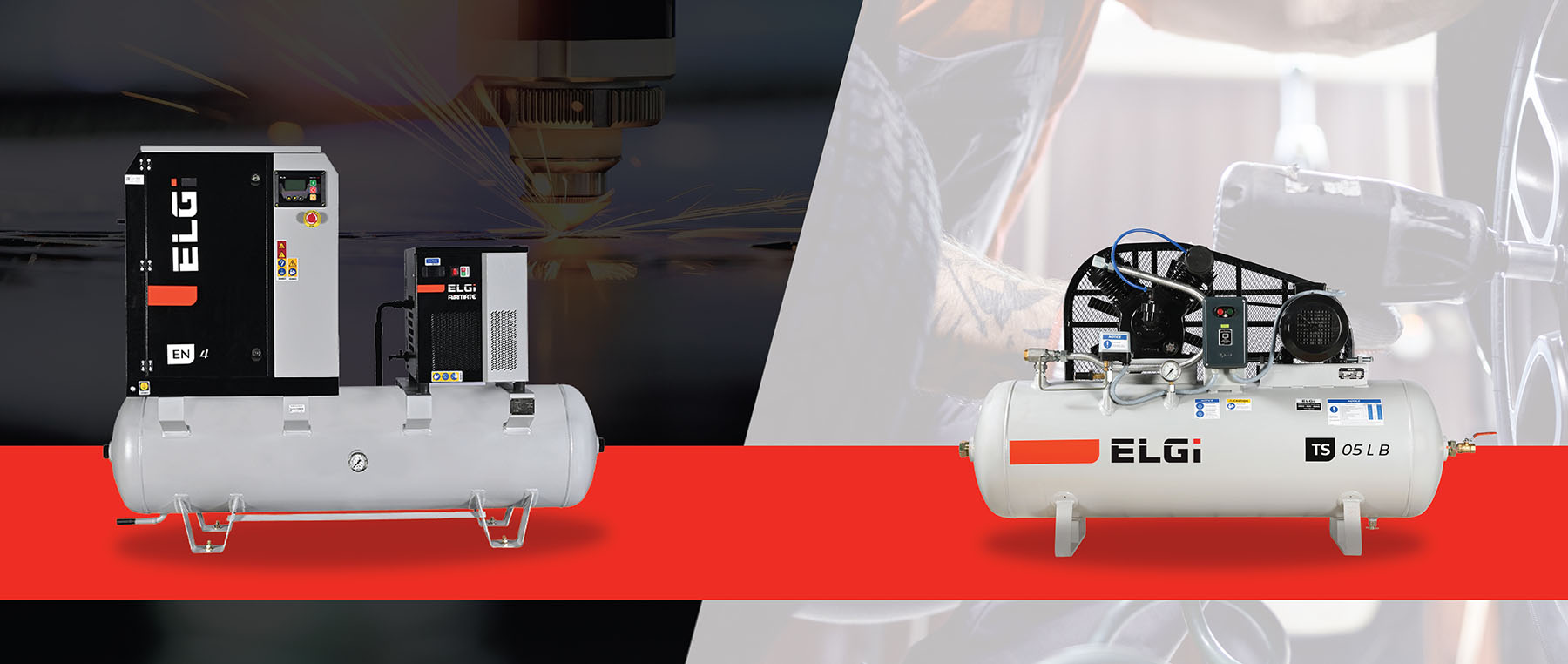
What happens when your production floor needs compressed air that never stops flowing?
Do you keep using the same piston compressor you have relied on for years, or is a screw air compressor the upgrade your nonstop cycles now require?
As productions move towards quiet and more efficient systems, this decision matters more than ever. Many facilities also consult trusted screw compressor manufacturers when planning upgrades to ensure the unit matches real-world duty cycles and service needs.
In most production facilities, compressed air is essential. It powers tools, automation, packaging lines, and delicate processes. But not every compressor is built to run for long hours without slowing down or overheating.
This is why many businesses are comparing piston systems with rotary screw air compressors, often referred to simply as rotary screw compressors, to see which type of compressor can handle continuous work without pressure drops or interruptions.
This blog highlights the key differences between the two systems, how they perform in real operations, where each one works best, and which option truly supports continuous duty needs.
Whether you are expanding production or replacing older equipment, this guide will help you choose a system that protects uptime, boosts efficiency, and manages long-term costs.
Many facilities now choose a low-noise screw compressor to reduce shop-floor disturbance while keeping continuous performance.
Why This Decision Matters More Than You Think
Compressed air is more than just another utility for manufacturers. It is often one of the biggest hidden energy expenses.
A recent industrial study showed that compressed air systems can use anywhere from 10% to 35% of a facility’s total electricity. The actual number depends on how the system is set up and how well the equipment is looked after. This wide range clearly shows how strongly the right compressor can influence your overall costs.
In many plants that switch to rotary screw compressors, the combination of steadier output and improved efficiency reduces both energy use and unplanned downtime.
A system built for continuous duty, especially a properly sized screw air compressor, can offer steady compressed airflow, fewer unexpected issues, and meaningful energy savings that continue to add up over time. For many plants, choosing an oil-lubricated screw compressor is the step that unlocks those steady outputs and energy savings.
An oil-lubricated screw air compressor often delivers these benefits more effectively because oil reduces internal friction and improves heat control during long runs.
Working with experienced screw compressor manufacturers helps you choose features like Variable Frequency Drives (VFDs) that deliver those long-term savings.
Quick Comparison: Screw vs Piston Air Compressor
| Feature | Screw Air Compressor | Piston Air Compressor |
|---|---|---|
| Ideal Use Case | Continuous duty, industrial processes | Intermittent, low-duty applications |
| Airflow | Steady and Pulse-free | Pulsing varies by cycle |
| Noise Level | Low-noise screw compressor design | High noise due to reciprocating motion |
| Efficiency | High for long run times | Less efficient for extended use |
| Maintenance | Lower, especially when using an oil-lubricated screw air compressor | More frequent servicing is required |
| Operation Duration | Designed for 100% duty cycles | Requires rest periods |
| Vibration | Low vibration for high reliability | Higher vibration can lead to reduced reliability |
Why Screw Air Compressors Excel in Continuous Duty Cycles
1. Built For Nonstop Performance
A screw air compressor runs on interlocking rotors instead of pistons, which helps it run smoothly without the usual stopping and starting. This applies especially to oil-lubricated screw compressor designs. This setup keeps the machine cool and removes the extra pressure that piston compressors face when used for long periods above 60% to 70% duty cycles.
This is why many maintenance managers rely on recommendations from top screw compressor manufacturers when selecting models for continuous use. For this reason, rotary screw air compressors have become a trusted choice for industries that need reliable performance all day and every day.
2. Delivers Stable, Consistent Compressed Airflow
Rotary screw air compressors supply a steady and smooth flow of compressed air. There are no sudden pressure changes and no pulsing. This kind of stable output helps processes like painting, CNC machining, food packaging, and pneumatic controls run more efficiently.
A piston compressor cannot maintain this level of smooth performance when the demand is constant. This makes rotary screw air compressors especially suitable for operations where compressed airflow consistency directly affects product quality.
3. Lower Noise and Vibrations
A low-noise screw compressor runs more quietly and creates less vibration because the parts rotate instead of hitting against each other. This makes it easy to place the machine directly on the shop floor without disrupting the workspace. It is a major benefit for modern manufacturing environments that need calm and clean operations.
4. Longer Life and Reduced Upkeep
Oil-lubricated screw air compressor systems usually run cooler, and thus they last longer. Since fewer parts are under heavy mechanical stress, they need maintenance less often than piston units. This leads to fewer unexpected shutdowns and a more reliable service schedule.
5. Higher Energy Efficiency For Long Hours
When used for long and continuous shifts, a screw air compressor often uses less energy compared to a piston machine providing the same compressed airflow. Variable speed drive options improve energy savings even more by adjusting the motor speed to match the compressed air demand. This is especially useful for production facilities with changing workloads.
When a Piston Compressor Still Makes Sense
A piston compressor is not outdated at all. It still works really well for simpler and lighter tasks, such as:
- DIY workshops
- Low-duty industrial tasks
- Short bursts of compressed air usage
- Small budgets
If your compressed air demand is not constant, a piston compressor can still help you save money. However, when you try to make it run without breaks, it starts to face more wear, more heat, more noise, and a noticeable rise in electricity usage.
How to Choose the Right Compressor for Your Duty Cycle
Here is a quick and easy decision guide:
Is your compressed air demand constant or close to constant?
A screw compressor is usually the best choice.
Do you need steady pressure for sensitive tasks?
Rotary screw compressors are the most reliable option.
Is noise something you want to reduce on the shop floor?
A low-noise screw compressor will help create a calm workspace.
Is your main focus the lowest initial price?
A piston compressor can get the job done without a high upfront cost.
Do you want long-term savings along with strong performance and less downtime?
Screw compressors are the clear winner every single time.
Final Thoughts
Choosing between a piston unit and a screw air compressor depends on how your production facility actually works every day.
If your production runs for long hours and relies on steady, quiet, and energy-efficient compressed air output, a rotary screw air compressor, particularly an oil-lubricated screw compressor, delivers a level of performance that a piston system cannot offer.
It helps you protect uptime, lower your maintenance stress, and keep your energy costs under control even when your workload grows.
Piston compressors still support lighter and occasional tasks. Continuous duty cycles need equipment that can run for long periods without pressure or damage.
Investing in the right setup today helps you avoid expensive breakdowns in the future and gives your team the trust that compressed air will always be available whenever the work requires it.
If you are ready to upgrade to a smart and reliable compressed air system, explore ELGi’s EN Series and see which model fits your workflow best. Get expert guidance here.
Similar topics
The Right Air Compressor Setup for Workshops, Tools & Repair Stations
Ever had a workshop day where tools suddenly feel off? The impact wrench hits softer. Th...
8 min read 
Oil-Injected vs Oil-Free Screw Air Compressor – How to Choose for Industrial Loads
When a plant runs three shifts, compressed air quietly controls how smoothly production ...
8 min read 
5 Technical Parameters To Compare Between Leading Screw Compressor Manufacturers
Choosing the right screw air compressor can often feel like stepping into a candy store ...
8 min read 
Reciprocating Compressors: Working Principles, Components & Use Cases
A practical guide to reciprocating compressors, explaining how they work, their key comp...
9 min read 
Air Compressor Troubleshooting: A Comprehensive Guide to Rapid Problem Resolution
In modern industrial operations, compressed air systems function as critical utilities t...
8 min read 
A Maintenance Manager’s Guide to Making the Right Compressor Decision
When one call sets your uptime, spend, and risk profile Every maintenance leader meet...
2 min read 
The Efficiency Paradox and Customer Expectations in Compressed Air: Not Only a “Pressure” Matter
About the whitepaper In many industrial facilities, increasing operating pressure is se...
3 min read 
Direct Expansion Refrigerated Dryers: Preventing Costly Downtime with Proven Moisture Control Technology
Maximising efficiency and reliability in compressed air applications by converting untre...
8 min read 
Exploring Water-Injected Screw Technology for Reliable Oil-Free Compressed Air
Oil-free compressed air is central to quality and safety across pharma, food, beverage, an...
2 min read 
Tips for Smooth Operation and Reduction of Operating Costs of Compressed Air Systems
About the Webinar Join ELGi’s compressed air experts as they share proven strategies to...
2 min read