

Advantages & Disadvantages Of Low Vs. High-Speed Air Compressors
 By ELGi |
  4 min read | 13 May, 2025
The speed at which a screw air compressor rotates is a critical factor that significantly influences its performance, energy efficiency, reliability, and its suitability for various industrial applications. Lower speeds result in reduced operational costs, and an increase in reliability which is the cornerstone of ELGi's commitment to energy-efficient air compressors.
Advantages of Low-Speed Air Compressor
Operating at a slower rotational speed (around 400-2,500 RPM), these compressors experience less wear and tear, translating to a longer lifespan and decreased maintenance costs. The slower operation also results in better volumetric efficiency and fewer mechanical losses, further enhancing their energy efficiency. For industries looking to cut operational costs and reduce their environmental footprint, low-speed compressors are an attractive option.
Advantages of High-Speed Air Compressors
High-speed air compressors, with rotating speeds ranging from 3,000 to 30,000 RPM, are designed for applications requiring a given volume of compressed air in a smaller package. Their main advantage is the ability to increase compressed air output with a smaller compressor airend therefore occupying a smaller footprint which can be crucial for certain industrial applications. While reduced energy consumption is often associated with low-speed compressors, high-speed models can offer cost-effective solutions for specific scenarios, providing the same output in a smaller compressor. However, it's important to be mindful of the potential for increased wear and potential maintenance issues due to the higher operational speeds.
ELGi’s Recommendations for Air Compressor Performance
Understanding the implications of changing an air compressor's speed is vital. Increasing the speed can lead to a higher air flow rate, but also increases power usage and component wear. While a faster compressor can produce more air, ELGi advises caution due to the potential for increased operational costs and the need for more frequent maintenance.
Considerations for Increasing Air Compressor Speed:
Design Compatibility: Ensuring that a compressor can handle higher speeds is crucial.
Lubrication: Adequate lubrication is necessary to minimise wear and tear.
Cooling: Proper cooling systems are essential to prevent overheating at higher speeds.
Maintenance: Increased maintenance interventions are key to safe and efficient operation.
For guidance on adjusting your compressor's speed to balance air production and energy efficiency, ELGi's compressed air experts are a valuable resource.
Additional Tips for Optimal Air Compressor Performance:
Cleanliness: Keeping the compressor clean from dust and debris is essential.
Regular Maintenance: Changing oil and filters regularly helps maintain performance.
Inspection: Regularly inspect for leaks and damage to prevent unforeseen issues.
Avoid Overloading: Operating within the compressor's capacity ensures longevity.
Intended Use: Using the compressor for its designated purpose prevents misuse-related issues.
Choosing the Right Air Compressor with ELGi
ELGi manufactures both Variable Speed Drive (VSD) and Fixed Speed Compressors, catering to a wide range of industrial needs. Variable Speed compressors are ideal for applications with varying air demand, as they adjust motor speed to save energy. Fixed-speed compressors suit applications with constant air demand, offering consistent performance.
ELGi's air compressors come equipped with advanced control systems and improved heat recovery systems, further enhancing their energy efficiency. These features not only reduce energy consumption, but also offer additional cost savings by utilising waste heat for other processes.
Conclusions
The choice between a low and high-speed air compressor should be informed by your specific needs, considering factors like energy consumption, operational costs, and application demands. ELGi's EG Series oil lubricated compressors exemplify the benefits of low-speed operation, including reduced energy consumption, quieter performance, and extended lifespan. For those requiring adaptable solutions, ELGi's VSD compressors offer flexibility, while their fixed-speed models provide the same unwavering efficiency but at a lower price point.
Engaging with ELGi's air experts can help you navigate these choices, ensuring you select a compressor that aligns with your operational goals and efficiency requirements. In a world where energy costs continue to climb, choosing a compressor that optimises performance while minimising energy consumption is more important than ever.
For more information on how to choose the right air compressors based on your specific applications, we welcome you to contact one of our many ELGi Air Experts.
Similar topics
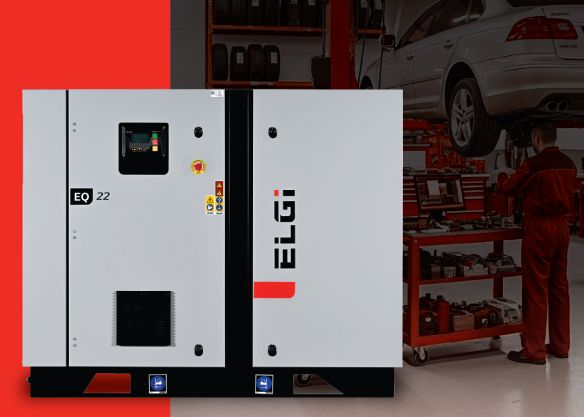
The Right Air Compressor Setup for Workshops, Tools & Repair Stations
Ever had a workshop day where tools suddenly feel off? The impact wrench hits softer. Th...
8 min read 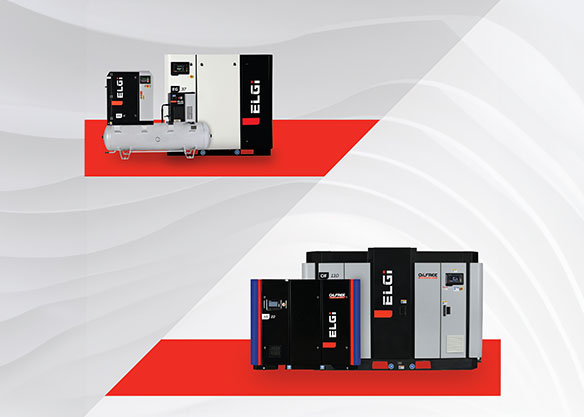
Oil-Injected vs Oil-Free Screw Air Compressor – How to Choose for Industrial Loads
When a plant runs three shifts, compressed air quietly controls how smoothly production ...
8 min read 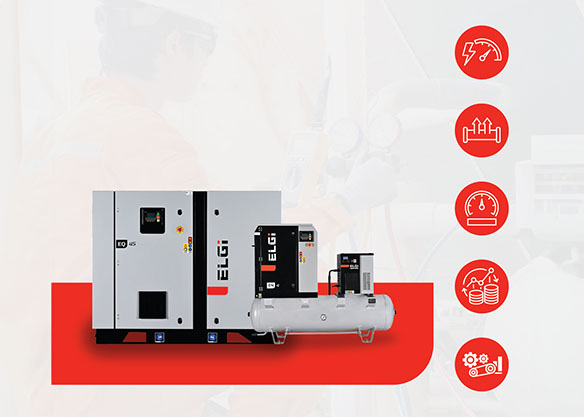
5 Technical Parameters To Compare Between Leading Screw Compressor Manufacturers
Choosing the right screw air compressor can often feel like stepping into a candy store ...
8 min read 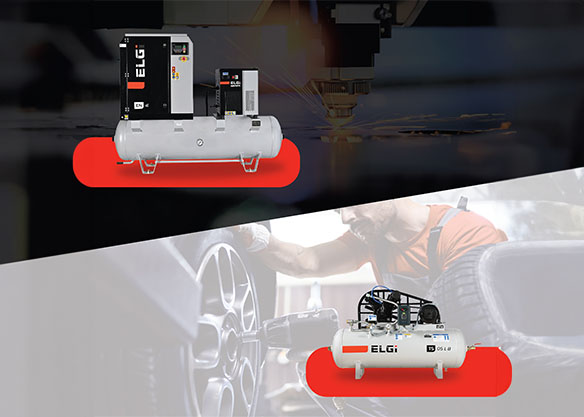
Screw Air Compressor vs Piston Compressor: Which Setup Fits Continuous Duty Cycles?
What happens when your production floor needs compressed air that never stops flowing? ...
7 min read 
Reciprocating Compressors: Working Principles, Components & Use Cases
A practical guide to reciprocating compressors, explaining how they work, their key comp...
9 min read 
Air Compressor Troubleshooting: A Comprehensive Guide to Rapid Problem Resolution
In modern industrial operations, compressed air systems function as critical utilities t...
8 min read 
A Maintenance Manager’s Guide to Making the Right Compressor Decision
When one call sets your uptime, spend, and risk profile Every maintenance leader meet...
2 min read 
The Efficiency Paradox and Customer Expectations in Compressed Air: Not Only a “Pressure” Matter
About the whitepaper In many industrial facilities, increasing operating pressure is se...
3 min read 
Direct Expansion Refrigerated Dryers: Preventing Costly Downtime with Proven Moisture Control Technology
Maximising efficiency and reliability in compressed air applications by converting untre...
8 min read 
Exploring Water-Injected Screw Technology for Reliable Oil-Free Compressed Air
Oil-free compressed air is central to quality and safety across pharma, food, beverage, an...
2 min read